Wildlife at Priors Hall Park
Priors Hall Park is home to a wonderful variety of wildlife and green spaces. From woodlands, hedgerows and grasslands to ponds and gardens, the different habitats across the site provide food, shelter and places to breed for a wide range of species.
Whether you're out for a walk, exploring with the family or simply taking a moment to enjoy the outdoors, there is always something to spot. Look closely and you might see birds singing in the trees, butterflies visiting wildflowers, minibeasts beneath logs or mammals making use of the habitats around them.
Every season brings something new to discover!
Homes for wildlife
Every creature needs somewhere to call home. While many animals create their own shelters, others rely on natural features such as hollow trees, leaf piles, hedgerows and fallen logs.
Across Priors Hall Park, we also provide and protect additional spaces to help wildlife thrive. These include bird boxes, hedgehog houses, hibernacula and bug hotels, alongside the natural habitats found throughout our green spaces.
Some of the wildlife homes you might discover:
Hedgehog houses provide a safe place for hedgehogs to rest during the day and potentially raise their young.
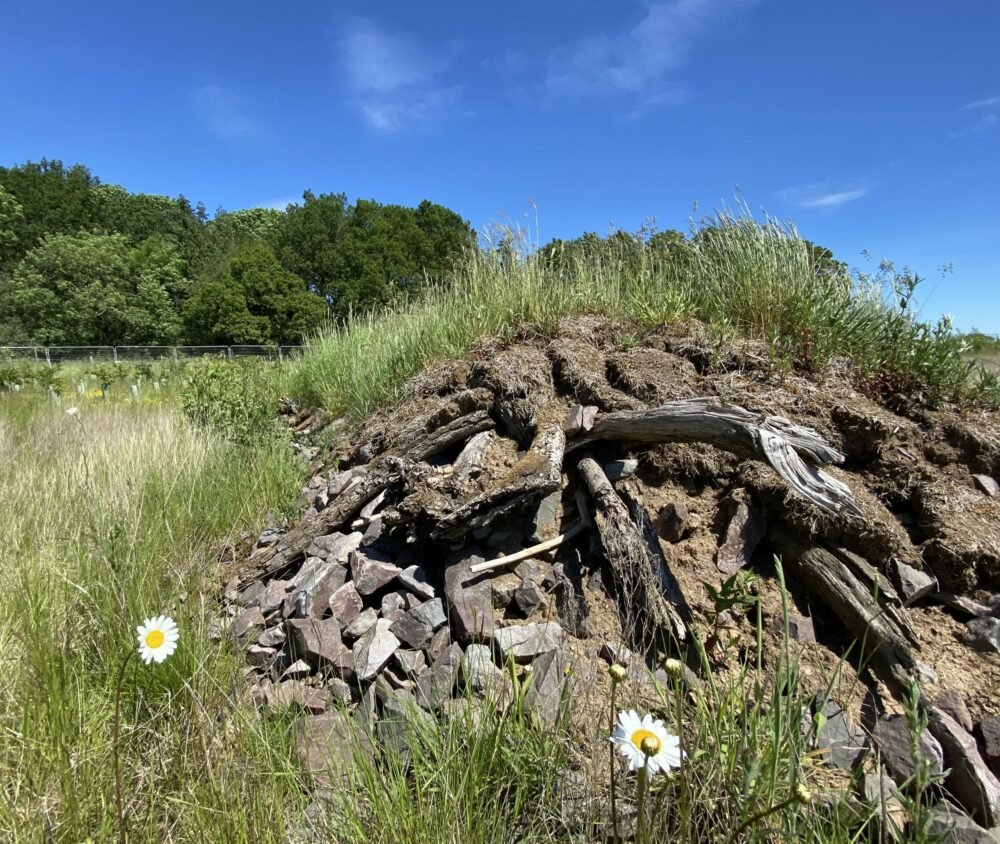
Hibernacula are hidden shelters made from natural materials such as logs, stones, soil and leaves. They can provide important shelter for wildlife, particularly during the colder months.
Log piles and dead wood may look untidy, but they are full of life! As wood slowly decays, it provides food and shelter for insects, fungi and other small creatures.
Tree cavities and bird boxes can provide valuable nesting and sheltering spaces for birds and other wildlife.
Birds in our green spaces
Listen carefully and you will often hear birds before you see them! Priors Hall Park's trees, hedgerows and green spaces provide important habitat for a variety of birds throughout the year.
Some of the species you may spot include:
- Robin
- Blue tit
- Great tit
- Blackbird
- Chaffinch
- Wren
- Wood pigeon
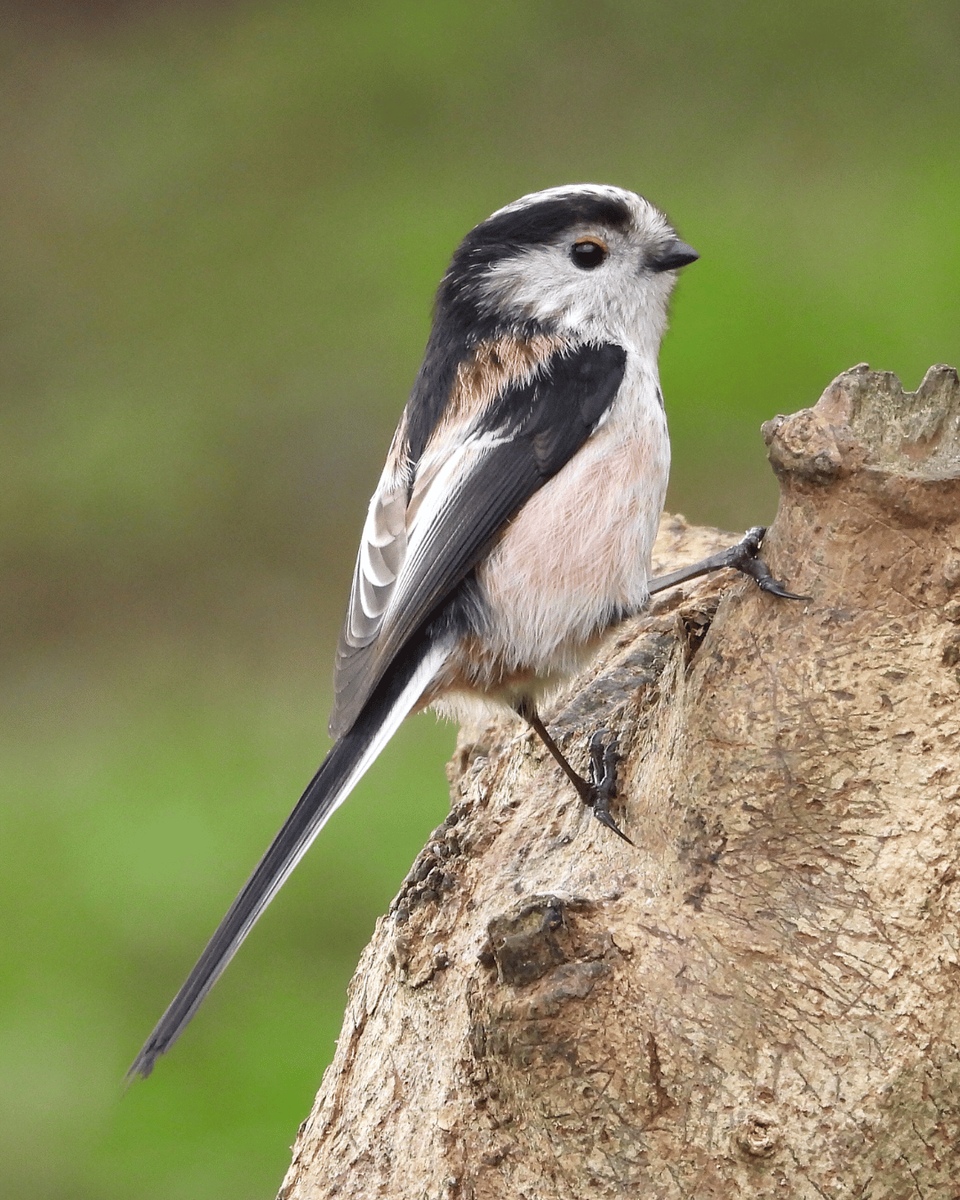
- Long-tailed tit
- Great spotted woodpecker
- Nuthatch
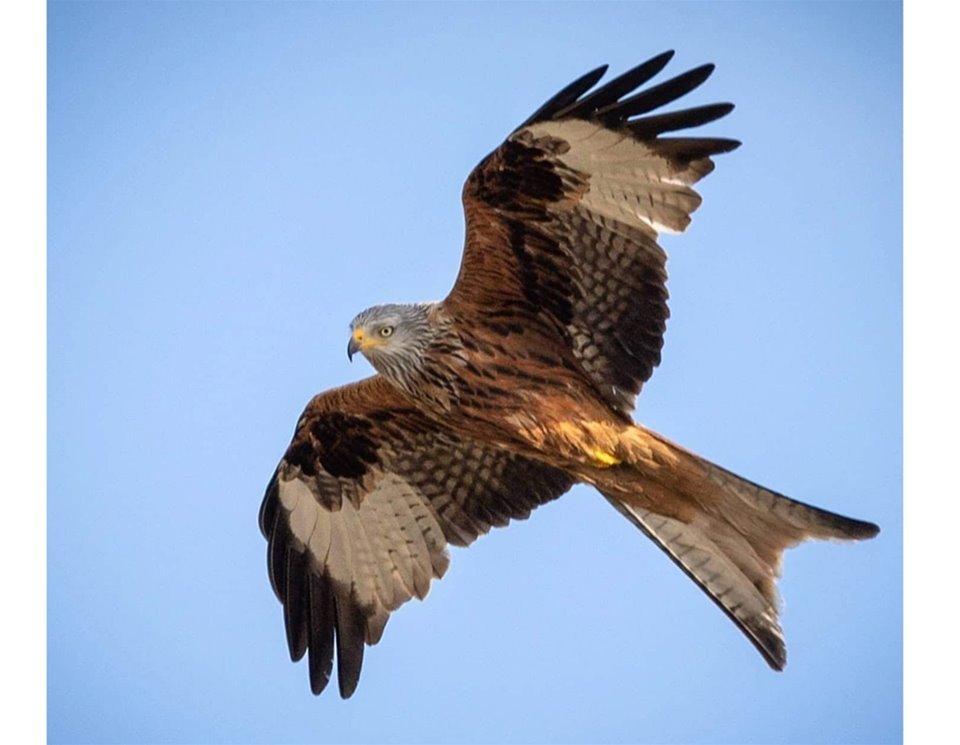
- Red Kites high in the sky
Trees, plants and wildflowers
Trees and plants are the foundation of many habitats. They provide food and shelter for wildlife, as well as places to nest, hide and rest.
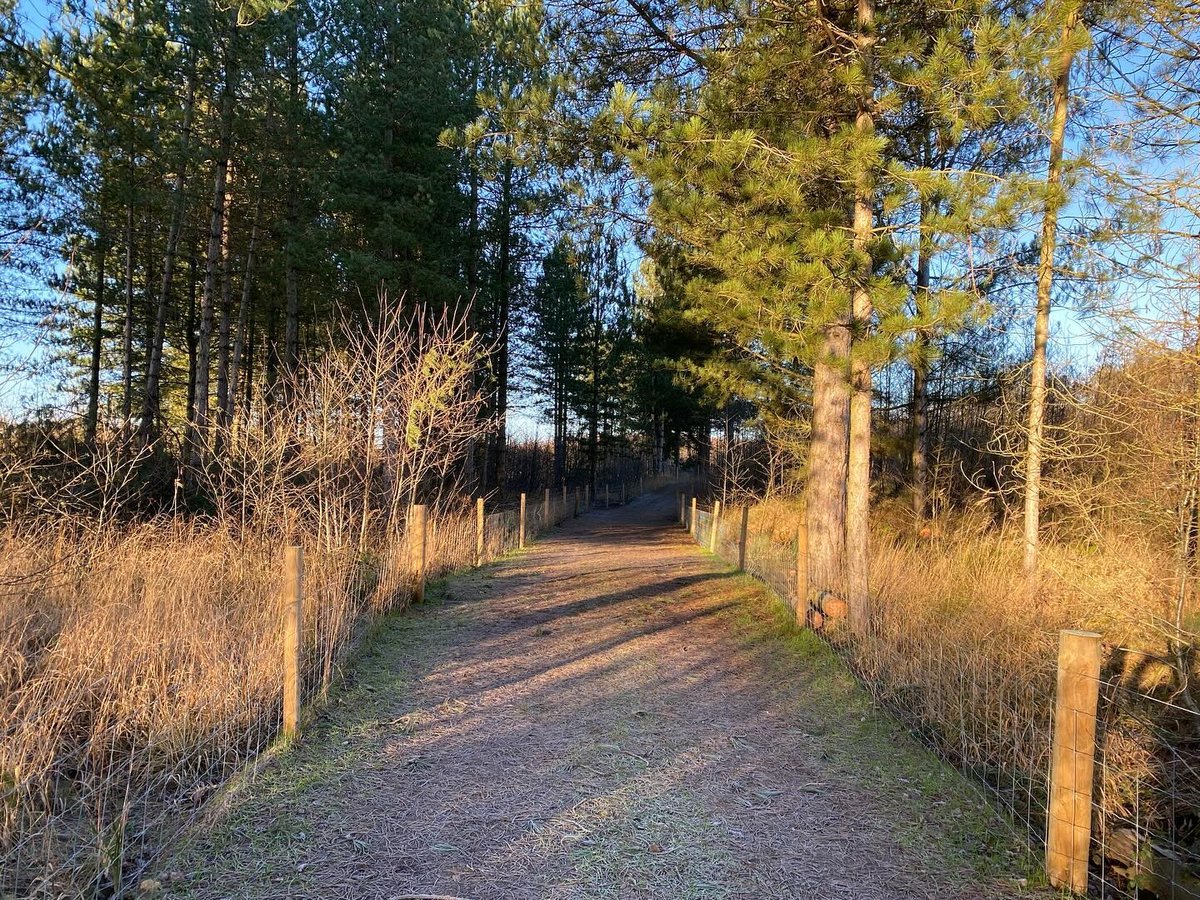
Native trees and shrubs that can be found in woodland and green spaces around Priors Hall Park include oak, silver birch, field maple, hawthorn, hazel and ash.
Wildflowers and other plants are just as important. Bramble, primrose, dog violet, oxeye daisy, ivy and nettles all play a role in supporting wildlife. Nettles, for example, are an essential food plant for the caterpillars of several butterfly species.
Amazing minibeasts
Tiny creatures have a huge role to play in keeping our natural world healthy. Insects and other invertebrates pollinate flowers, recycle dead plants and provide food for birds, hedgehogs and other animals.
Keep an eye out for:
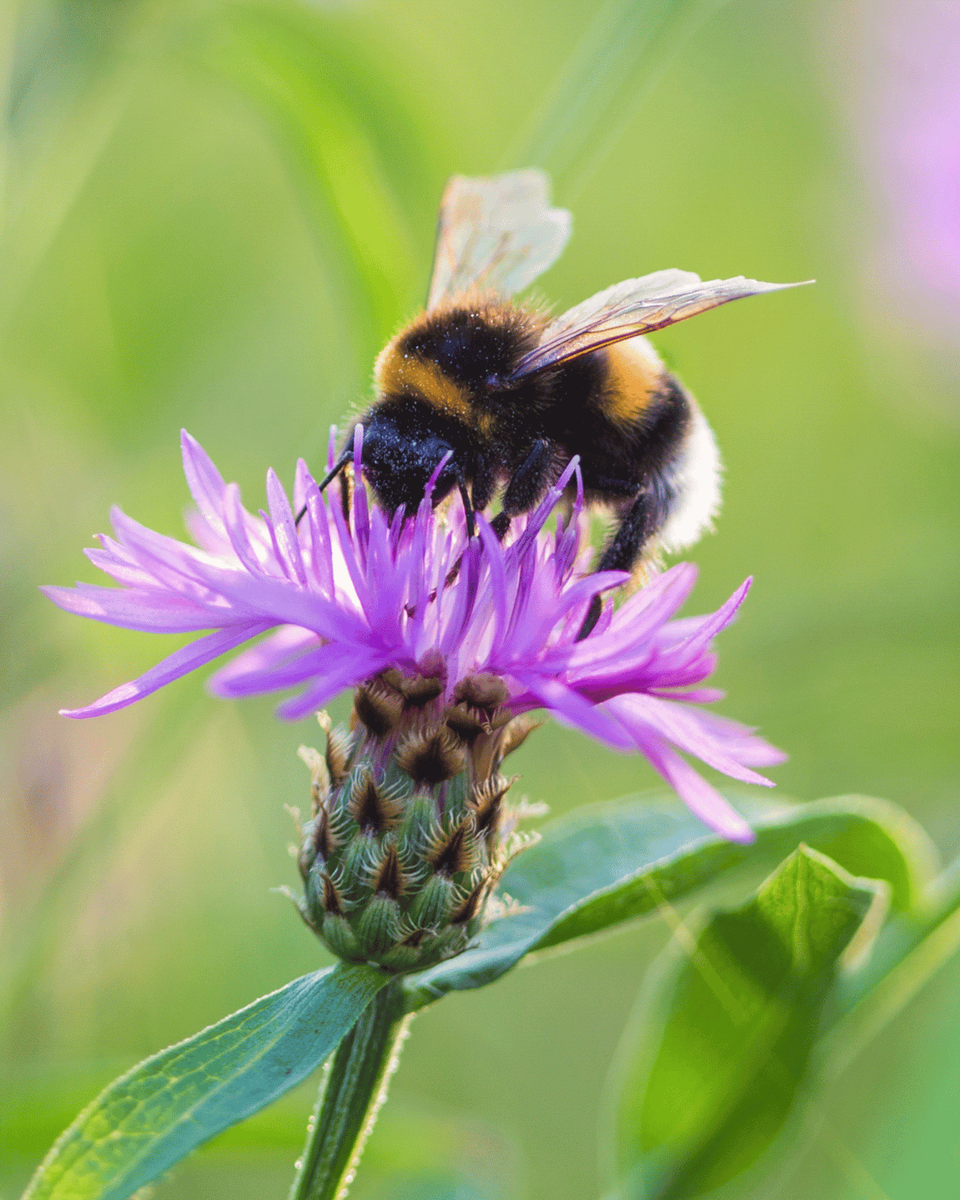
- Bumblebees and other pollinators
- Butterflies
- Ladybirds
- Beetles
- Ants
- Woodlice
- Spiders
- Snails and slugs
Our bug hotels provide different spaces for different species, using materials such as hollow stems, bark, leaves, dry grass and stones.
The more variety we can provide in our green spaces, the more opportunities there are for wildlife to find food and shelter.
Add to Home Screen

Install this to your home screen for easy access in the future.